Flower Mandala Layered Design: A Creative Craft for Art Enthusiasts
The Flower Mandala Layered Design offers a unique and intricate approach to crafting, blending artistic expression with structured design. This template provides a detailed guide for creating a mandala using layered elements, making it an appealing option for hobbyists and crafters looking to explore new creative avenues. Whether you're a seasoned artist or a beginner, understanding the features and potential of this design can help you make an informed decision about its suitability for your interests.
What Is Flower Mandala Layered Design?
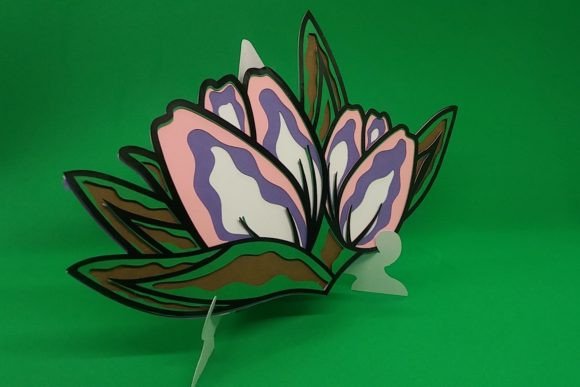
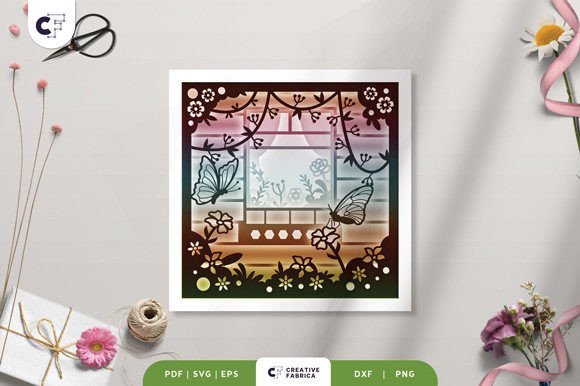
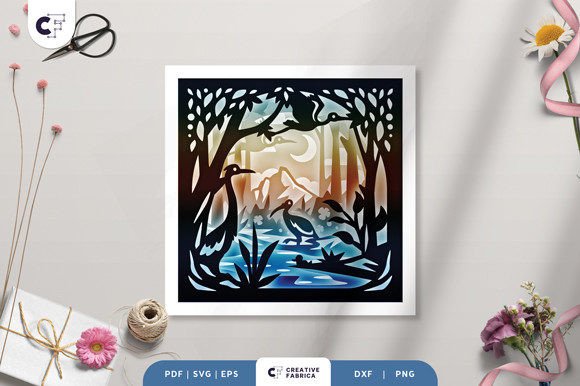
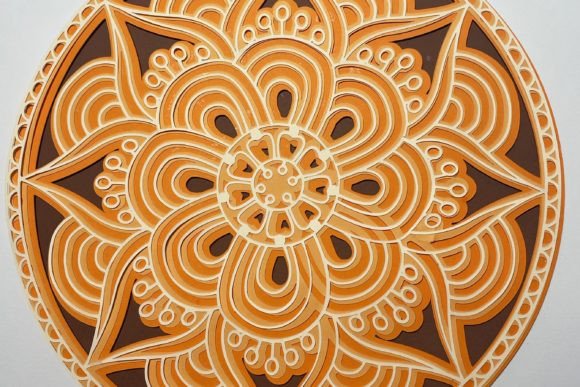
Flower Mandala Layered Design is a craft template that includes a series of interlocking shapes and patterns inspired by nature, particularly flowers. The design is created using multiple layers, allowing for depth and visual complexity. This type of mandala is often used in paper crafts, scrapbooking, and decorative art projects. The template typically comes in various formats such as SVG, PDF, EPS, PNG, and DXF, ensuring compatibility with different design and cutting tools.
The design is built around the concept of symmetry and repetition, common in traditional mandalas. Each layer adds texture and dimension, enhancing the overall aesthetic. The inclusion of detailed instructions in the accompanying PDF makes it accessible even for those with limited experience in crafting.
Reasons to Consider Flower Mandala Layered Design
There are several reasons why someone might be drawn to the Flower Mandala Layered Design. First, it offers a structured yet flexible framework for creativity. The layered approach allows for customization, enabling users to adjust colors, materials, and layouts based on personal preferences. This adaptability makes it suitable for a wide range of projects, from simple cardmaking to more complex wall art.
Another advantage is the availability of high-quality materials. The design often recommends using specific cardstock, such as Encore Cardstock 80 lb cover (216 gsm), which provides durability and a professional finish. This attention to material quality ensures that the final product meets expected standards, reducing the likelihood of dissatisfaction due to poor craftsmanship.
Additionally, the downloadable format of the template allows for easy access and reuse. Users can print and cut the design multiple times, making it a cost-effective choice for those who plan to create multiple pieces or share the design with others.
Benefits and Tradeoffs
The primary benefit of the Flower Mandala Layered Design is its ability to simplify complex patterns. By breaking down the design into layers, it reduces the difficulty of replicating intricate mandalas, making it more approachable for beginners. The included instructions also serve as a learning tool, helping users understand the principles of layering and composition.
However, there are some tradeoffs to consider. The design may require additional time and effort to assemble, especially if the user is not familiar with handling layered templates. The need for specific materials, such as the recommended cardstock, could also add to the overall cost, depending on where the materials are sourced.
Moreover, while the design is versatile, it may not suit all artistic styles. Those who prefer abstract or freeform designs might find the structured nature of the mandala limiting. It’s important to evaluate whether the design aligns with individual creative goals before committing to it.
Situations Where It May Be a Strong Fit
The Flower Mandala Layered Design is particularly well-suited for individuals interested in paper crafts, especially those who enjoy working with layered elements. It is ideal for projects that require precision and detail, such as greeting cards, scrapbook pages, or framed art. The design also appeals to those who want to explore mandala art without the need for advanced drawing skills.
This template is also beneficial for educators or workshop leaders looking to introduce students to structured crafting techniques. The clear instructions and visual elements make it an effective teaching tool, helping learners grasp concepts like symmetry, balance, and layering.
Situations Where Alternatives May Be Worth Considering
For those who prefer more flexibility or have different artistic preferences, alternative mandala designs may be more appropriate. Freehand mandalas or digital templates offer greater freedom in terms of shape and structure, which could be preferable for artists seeking a more experimental approach.
Additionally, users who are looking for a more budget-friendly option may find that simpler mandala templates or DIY methods provide sufficient value without the need for specialized materials. It’s important to weigh the benefits of the layered design against other available options to determine the best fit for your needs.
Practical Decision-Making Insights
When deciding whether to pursue the Flower Mandala Layered Design, consider your level of experience, available resources, and creative goals. If you’re new to crafting, the structured nature of the design can provide a helpful starting point. However, if you already have a strong foundation in art and design, you may find that the template feels restrictive.
It’s also wise to assess the cost-benefit ratio. While the design offers high-quality materials and detailed instructions, the investment may not be justified if you don’t plan to use it frequently. Exploring free or low-cost alternatives can help you determine whether the design is worth the expense.
Ultimately, the Flower Mandala Layered Design is a valuable resource for those seeking a blend of structure and creativity. By carefully evaluating your needs and expectations, you can decide whether this template aligns with your artistic journey.